

Enforcing Judgment Against Executive Nonacquiescence in Immigration Detention
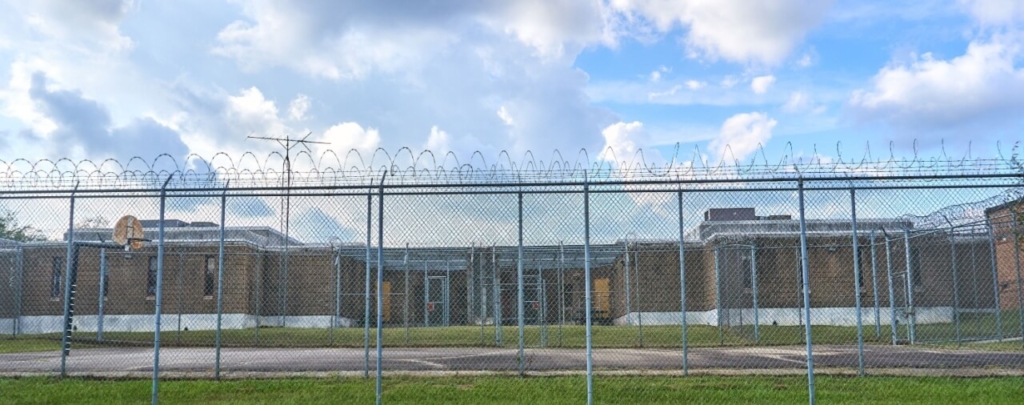
On February 18, 2026, the U.S. District Court for the Central District of California granted a motion to enforce judgment in Lazaro Maldonado Bautista et al. v. Ernesto Santacruz Jr. et al., a nationwide immigration detention class action challenging the Executive Branch’s post–July 2025 repositioning of detention authority for certain interior apprehensions.
Trump’s Announcement on Revoking Citizenship for Fraud-Convicted Naturalized Immigrants: Background and Legal Analysis
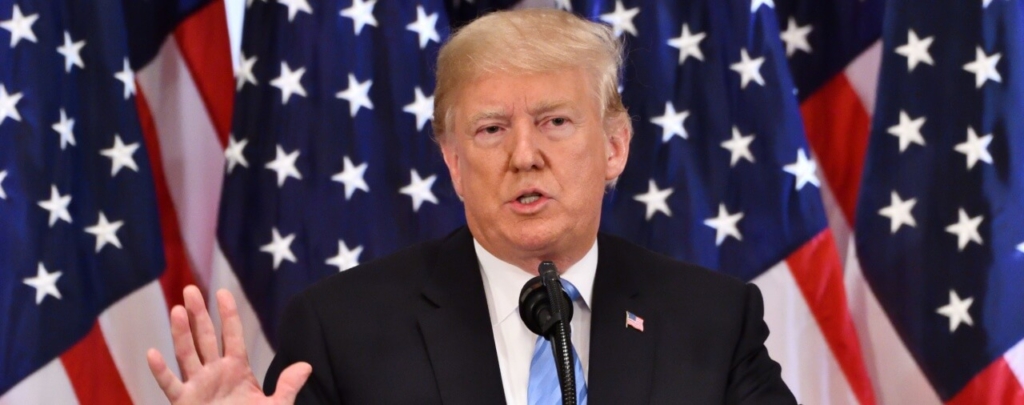
In a recent speech, President Donald Trump declared that his administration would revoke the U.S. citizenship of any naturalized immigrant from Somalia or other countries who is convicted of defrauding American citizens.
Understanding Political Persecution in Russia

In recent years, Russia has seen a significant rise in political repression, making it a common origin for asylum seekers in the U.S. Individuals facing persecution due to their political opinions, opposition to government policies, or refusal to participate in military actions may qualify for asylum under the Immigration and Nationality Act and the Convention Against Torture.
Russia’s Conscription and Mobilization Laws in the Era of the Ukraine War

Since Russia’s full-scale invasion of Ukraine in February 2022, two different—and often confused—legal systems have driven manpower: ordinary mandatory conscription (prizyv) and mobilization (mobilizatsiya). The Ukraine war made this distinction practically crucial: conscription decides who enters initial service, while mobilization decides who can be recalled (and kept) under wartime-type rules.
Mobilization in Russia During the Ukraine Conflict: Implications for Asylum Seekers

In the ongoing Russia-Ukraine conflict, which began in February 2022 and has now entered its fifth year as of 2026, Russia’s military mobilization efforts have profound implications for human rights and international asylum claims. An expert opinion by Stanislav Stanskikh, a legal scholar and research fellow at the University of North Carolina at Chapel Hill and Harvard University’s Davis Center, provides critical insights into Russia’s country conditions, particularly regarding draft evasion and forced military service.
Using Anthropological, Country-Conditions, and Other Experts in Asylum Removal Proceedings

In asylum cases in Immigration Court, the record often becomes the case. Some applicants win because their story is compelling and consistent; others lose because the IJ cannot connect the story to the legal elements—or because “common sense” assumptions fill gaps that evidence should have filled.
A New Era for BIA Appeals in 2026: Ten-Day Notices, Discretionary Merits Review, and the Asylum Statutory Carve-Out

EOIR’s 2026 interim final rule on Board of Immigration Appeals practice does not merely accelerate an existing process; it redefines what a “case appeal” is supposed to accomplish. The familiar architecture—file a notice, wait for briefing, and expect the Board to reach the merits in due course—yields to a model built around rapid screening, discretionary merits adjudication, and accelerated termination through summary dismissal.
Emerging Trends in U.S. Immigration: Can Social Media Stardom Unlock Extraordinary Ability Visas?

In the ever-evolving landscape of U.S. immigration, where talent and innovation often pave the path to opportunity, recent media buzz has spotlighted an intriguing development: adult content creators on platforms like OnlyFans reportedly securing “talent visas” by leveraging their online metrics as proof of exceptional achievements.
Understanding the Board of Immigration Appeals Decision in Matter of Tepec-Garcia

The Board of Immigration Appeals (BIA) recently issued a precedential decision in Matter of Tepec-Garcia, clarifying the authority of immigration judges to terminate removal proceedings under specific circumstances. This ruling addresses situations where neither the respondent nor the Department of Homeland Security (DHS) appears at a scheduled hearing, and no evidence of removability has been submitted in advance.
Understanding President Trump’s December 2025 Proclamation: Restricting and Limiting the Entry of Foreign Nationals to Protect U.S. Security
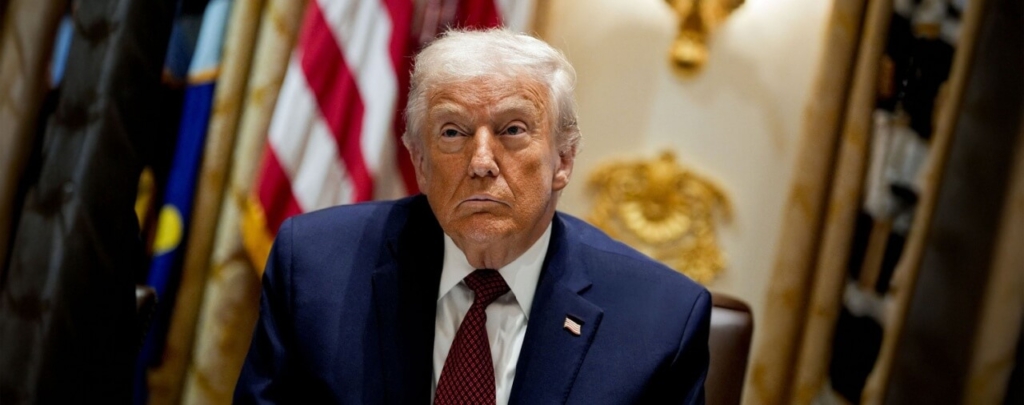
On December 16, 2025, President Donald J. Trump issued a significant presidential proclamation titled “Restricting and Limiting the Entry of Foreign Nationals to Protect the Security of the United States.” This executive action, effective January 1, 2026, expands and continues restrictions on the entry of foreign nationals from numerous countries deemed to pose risks to U.S. national security, public safety, and immigration integrity.