
- Introduction
- Background on the Somali Fraud Scandal
- Trump’s Denaturalization Efforts: A Historical Overview
- Legal Basis for Revocation: Limits When Fraud Is Post-Naturalization
Introduction
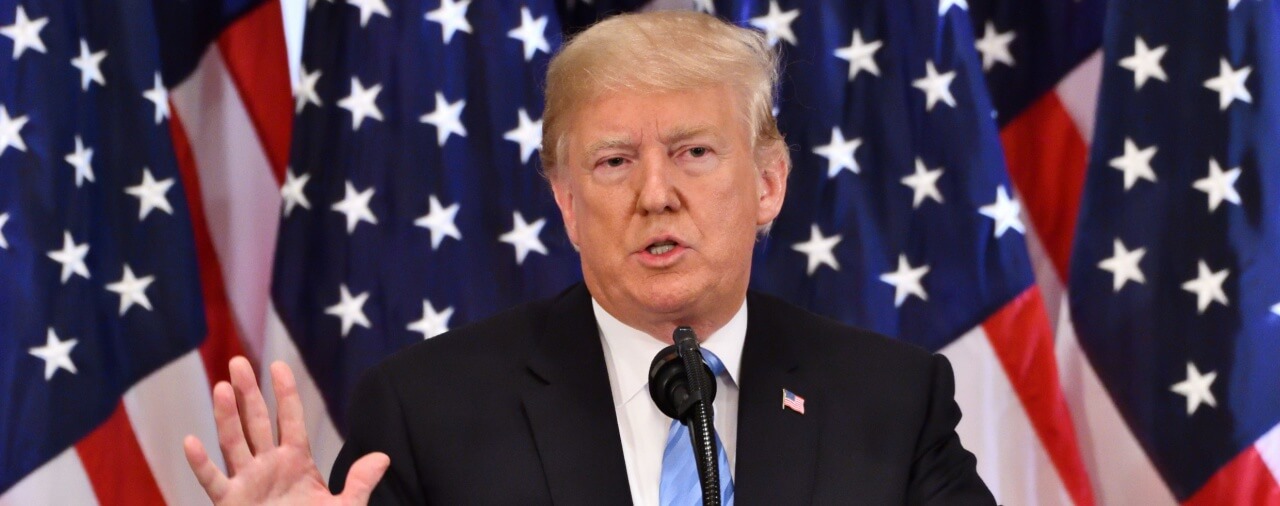
In a recent speech, President Donald Trump declared that his administration would revoke the U.S. citizenship of any naturalized immigrant from Somalia or other countries who is convicted of defrauding American citizens. This statement, made during an address at the Detroit Economic Club, is part of a broader push to crack down on immigration-related fraud, with a particular focus on Somali immigrants in Minnesota. As an immigration law firm dedicated to protecting the rights of immigrants and naturalized citizens, MyAttorneyUSA.com examines the context behind this pledge, including the Somali fraud scandal, the history of denaturalization efforts under the Trump administration, and the legal feasibility of such revocations when fraud occurs after naturalization.
Background on the Somali Fraud Scandal
The president’s remarks appear to reference ongoing allegations of widespread fraud involving Somali immigrants in Minnesota, home to the largest Somali-American community in the United States. At the center of this controversy is the “Feeding Our Future” scandal, a massive scheme that defrauded federal child nutrition programs during the COVID-19 pandemic.
Feeding Our Future was a Minnesota-based nonprofit founded in 2016. The organization claimed to distribute millions of meals to low-income children but instead siphoned off approximately $250 million in federal funds through false claims and inflated meal counts. Prosecutors allege that participants set up shell companies and billed for nonexistent services, using the proceeds for luxury purchases. While the scheme involved Somali-Americans disproportionately due to the community’s involvement in the nonprofit’s operations, experts note that the fraud was not inherently tied to immigration status but rather to lax oversight during the pandemic.
This incident has drawn significant political attention, including from President Trump, who has labeled Minnesota a “hub of fraudulent money laundering” and criticized Somali immigrants as part of his immigration rhetoric. The administration has responded by deploying federal agents to Minnesota and ending Temporary Protected Status (TPS) for Somalis.
Trump’s Denaturalization Efforts: A Historical Overview
Denaturalization—the process of revoking U.S. citizenship from naturalized individuals—has been a tool in the U.S. immigration arsenal since the early 20th century, historically reserved for extreme cases like Nazi war criminals or terrorists. Under President Trump’s first term, these efforts expanded significantly.
The foundation was laid by Operation Janus, initiated to identify individuals who naturalized using false identities or without disclosing prior deportation orders. The Trump administration ramped this up, reviewing hundreds of thousands of cases and referring many for investigation, leading to increased denaturalization filings compared to prior years. For more on Operation Janus and related cases, see our blog post: DOJ Announces First Denaturalization Under Operation Janus.
In his second term, the focus has renewed, with priorities targeting financial fraud against the government or private entities, even broadening to “national security” risks. This shift moves beyond traditional fraud-in-application cases to potentially include post-naturalization conduct, though legal constraints remain. For a detailed overview of denaturalization grounds and processes, visit our practice area page: Denaturalization.
Legal Basis for Revocation: Limits When Fraud Is Post-Naturalization
Under U.S. law, specifically 8 U.S.C. § 1451, denaturalization is limited to cases where citizenship was “illegally procured” or obtained through “concealment of a material fact or by willful misrepresentation” during the naturalization process. The government must prove this by clear, convincing, and unequivocal evidence in civil court or beyond a reasonable doubt in criminal proceedings.
Key grounds include:
- Illegal Procurement: Failing to meet requirements like lawful permanent residence, physical presence, or good moral character at the time of naturalization.
- Misrepresentation: Willfully hiding or lying about material facts that influenced the citizenship grant, such as prior crimes or affiliations.
The 2017 Supreme Court ruling in Maslenjak v. United States clarified that only misrepresentations playing a direct role in obtaining citizenship qualify, excluding minor omissions. For a full discussion of this landmark case, see our article: Maslenjak v. United States: False Statement Must be Material In Order to Lead to Denaturalization.
Crucially, denaturalization does not apply to crimes committed after naturalization unless they retroactively prove ineligibility at the time of application. For instance, a fraud conviction like those in the Feeding Our Future case—occurring years after naturalization—cannot alone trigger revocation if unrelated to the original process. Naturalized citizens convicted of crimes face standard penalties, including imprisonment, but not loss of citizenship for post-acquisition acts.
Thus, while the Trump administration may pursue aggressive enforcement, legal experts anticipate challenges to any attempts to denaturalize based solely on post-naturalization fraud convictions, as they lack statutory grounding. Individuals facing such threats should consult an experienced immigration attorney immediately.
At MyAttorneyUSA.com, we stand ready to assist naturalized citizens navigating these complex issues. Contact us for a consultation to protect your rights.
This article is provided for informational purposes only and is not intended as legal advice. Immigration law is complex and subject to change. The information here does not create an attorney-client relationship. For personalized guidance on your immigration situation, including denaturalization concerns, please consult a qualified immigration attorney.
Endnotes / Sources
- Reuters: “What is the Minnesota social welfare scandal that has drawn Trump’s ire?” (2026)
- U.S. Department of Justice announcements on Feeding Our Future fraud scheme; Star Tribune and MPR News reports on indictments, guilty pleas, and convictions in the Feeding Our Future fraud scheme
- New York Times coverage of the Minnesota fraud scandal (2025)
- IRS Criminal Investigation reports on guilty pleas in the scheme
- NPR and CNN reports on denaturalization priorities under Trump (2025)
- USCIS Policy Manual and historical DOJ press releases on Operation Janus
- Supreme Court decision in Maslenjak v. United States (2017)