- Introduction
- Historical Context and Policy Foundations
- Major Executive Actions and Border Enforcement
- Asylum Processing Pauses, Case Dismissals, and Third-Country Arrangements
- Refugee Admissions and Humanitarian Program Reductions
- Purge of Immigration Judges and Court Disruptions
- Legal Challenges and Judicial Landscape
- International Reactions and Diplomatic Ramifications
- Impacts on Specific Populations and Broader Society
- Strategic Advice for Asylum Seekers and Legal Practitioners
- Future Outlook
- Conclusion
Introduction
As of January 8, 2026, the second Trump administration—inaugurated on January 20, 2025—has enacted one of the most stringent overhauls of U.S. asylum and humanitarian immigration systems in decades. These policies, rooted in the “America First” agenda, aim to prioritize national security, reduce unauthorized entries, and streamline deportations. Supporters praise them for restoring order at the border and protecting American resources, while critics argue they violate international refugee conventions and domestic laws, potentially endangering vulnerable populations. By early 2026, border encounters have plummeted to historic lows—down over 90% from 2024 peaks—amid aggressive enforcement, which the administration credits with deterring illegal migration, though opponents contend it comes at the cost of humanitarian access for millions. From a conservative perspective, these measures address what they describe as a crisis inherited from the Biden administration (2021-2025), during which U.S. Customs and Border Protection (CBP) recorded over 7 million encounters at the southwest border alone, according to official statistics—a record high attributed by conservatives to lax policies that encouraged mass migration. Liberals and immigration advocates counter that these figures reflect global migration trends, humanitarian needs, and that the Biden administration actually increased enforcement actions, including arrests and removals, while managing the border humanely. This analysis presents perspectives from both sides, delving into the policies’ origins, implementations, legal battles, international repercussions, judicial purges, and practical impacts, providing balanced guidance for visitors to myattorneyusa.com facing these changes. (For core asylum eligibility amid restrictions, consult our guide on Asylum & Refugee Protection.)
Historical Context and Policy Foundations
Drawing from the first Trump term (2017-2021), which saw measures like the Muslim Ban, family separations, and Title 42 expulsions, the 2025-2026 policies represent an amplified evolution. The administration cites ongoing “border invasion” and national security threats to justify restrictions, echoing 2019’s Migrant Protection Protocols (MPP) and Asylum Cooperative Agreements (ACAs). Proponents, including figures like Stephen Miller (now Deputy Chief of Staff for Policy), argue these build on proven strategies to prevent system abuse and ensure only legitimate claims proceed. Detractors, such as advocacy groups, view them as an extension of policies that prioritized enforcement over compassion, potentially conflicting with U.S. obligations under the 1951 Refugee Convention.
Major Executive Actions and Border Enforcement
The administration wasted no time, issuing sweeping directives:
- National Emergency Proclamation and Asylum Suspension (January 20, 2025): Declaring a “border invasion,” this proclamation suspends asylum claims at the southern border, cancels all CBP One app appointments (used by over 1 million in 2024), reinstates MPP-like “Remain in Mexico” requirements, and prohibits “catch and release.” It mandates expedited removals and prioritizes detention, leading to a 95% drop in releases into the U.S. interior. Supporters highlight this as essential for regaining control and reducing taxpayer burdens, while critics warn it denies due process to those fleeing persecution.
- Public Health Security Bar (Effective December 31, 2025): Reviving a 2020 proposal, this DHS/DOJ rule deems certain communicable diseases a “danger to U.S. security,” barring asylum and withholding of removal during emergencies. Applied to regions with outbreaks (e.g., parts of Latin America), it has denied over 10,000 claims in its first week, drawing Title 42 comparisons but with more procedural integration. Administration officials defend it as a necessary safeguard for public health, whereas opponents see it as a pretext for broader restrictions without sufficient evidence of threats.
- Expanded Travel Ban (Effective January 1, 2026): A December 16, 2025 proclamation adds 39 countries—mostly African and Middle Eastern—to entry restrictions, affecting asylum, visas, and refugee processing. This builds on Executive Order 14161 (January 20, 2025), enhancing vetting to block “foreign terrorists.” Proponents argue it enhances national security by targeting high-risk areas, while critics contend it discriminates based on nationality and overlooks individual assessments.
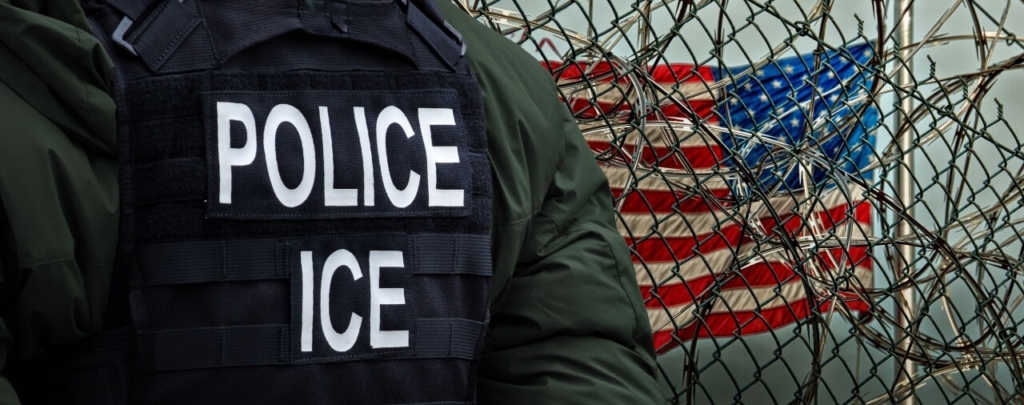
- Interior Enforcement Surge: ICE operations target “fugitives” and recent arrivals, with raids in sanctuary cities yielding over 50,000 arrests by January 2026. This includes revoking Biden-era approvals and prioritizing deportations of criminal noncitizens. Supporters applaud the focus on public safety, but detractors raise concerns about community trust and overreach into non-criminal populations.
These actions have transformed border operations, with daily encounters falling below 1,000—levels not seen since the 1970s—credited by the administration with deterring cartels, though critics attribute declines partly to external factors like regional cooperation.
Asylum Processing Pauses, Case Dismissals, and Third-Country Arrangements
Core humanitarian pathways have been severely curtailed:
- Global Asylum Processing Halt (November 28, 2025): USCIS paused all asylum decisions worldwide, initiating reviews of over 1.5 million pending cases and Biden approvals. This has stranded applicants, delaying work authorizations and exacerbating backlogs. The administration justifies this as necessary to clear fraudulent claims, while advocates argue it unfairly penalizes legitimate seekers and prolongs uncertainty.
- Third-Country Deportations and Asylum Case Dismissals: Leveraging bilateral agreements, ICE attorneys have moved to dismiss thousands of cases, deporting seekers to “safe third countries” like Guatemala, Honduras, Uganda, Belize, Ecuador, Dominica, and Paraguay—regardless of origin or ties. By December 2025, over 5,000 such motions were filed, bypassing merits hearings. Supporters view this as efficient burden-sharing, but critics highlight risks of refoulement to unsafe environments.
- TPS and Parole Terminations: Over 1.5 million TPS holders from countries like Venezuela, Haiti, Honduras, and Nicaragua lost protections, with statuses expiring by mid-2026. Humanitarian parole programs (e.g., CHNV for Cubans, Haitians, Nicaraguans, Venezuelans) ended abruptly, affecting family reunifications. The administration argues these programs were overused and temporary, whereas opponents emphasize their role in providing stability during crises.
These measures aim to “close loopholes” but have led to family separations and returns to danger, with both sides debating their alignment with non-refoulement principles. (For navigating removal amid dismissals, see Deportation & Removal.)
Refugee Admissions and Humanitarian Program Reductions
- FY 2026 Refugee Ceiling: Set at a historic low of 7,500 on October 31, 2025—down 94% from FY 2025’s 125,000—the cap prioritizes “victims of unjust discrimination,” including white South Africans/Afrikaners. The U.S. Refugee Admissions Program (USRAP) was suspended January 20, 2025, halting overseas processing.
- Resettlement Prioritization: Limited slots favor specific groups, excluding many from high-need regions. This has drawn accusations of racial bias from critics, with only 500 admissions by January 2026, while supporters defend it as focusing on underrepresented persecuted groups.
Advocacy groups decry this as abandoning America’s refugee leadership, especially amid global displacement highs (over 120 million), but the administration counters that it reallocates resources to domestic priorities.
Purge of Immigration Judges and Court Disruptions
A parallel effort has targeted the Executive Office for Immigration Review (EOIR), with over 100 judges fired nationwide since January 2025—reducing the bench from ~700 to ~600. Firings disproportionately affect judges with higher asylum grant rates (often 80-90% in affected courts) and immigrant defense backgrounds.
- New York Impact: Eight judges were fired in a single day on December 1, 2025, from the New York City court at 26 Federal Plaza, in what affected judges called a “Monday afternoon massacre.” This targeted adjudicators with average asylum grant rates of 85.5%, significantly above national averages.
- California Impact: Over 35 judges lost (more than a quarter of the state’s total), with San Francisco hit hardest: Starting with 21 judges, 13 fired and others retiring, leaving ~4 by early 2026. Sacramento and Concord also saw reductions, contributing to statewide understaffing.
- Other Locations: Firings extend to Boston (several judges dismissed), Cleveland, Texas, and at least 10 other states, with clusters in progressive jurisdictions like the Bay Area and Northeast.
- Planned Court Closure: The main San Francisco immigration court at 100 Montgomery St. will close by January 2027 (lease expiration), with staff transferring to Concord—effectively consolidating and shrinking Northern California operations amid a 120,000+ case backlog.
Replacements include inexperienced temporary judges, often military lawyers, advertised as “deportation judges.” The administration frames this as improving efficiency and consistency, but critics argue it creates a “climate of fear,” worsening delays (hearings into 2029+) and undermining due process.
Legal Challenges and Judicial Landscape
Litigation has exploded, with over 200 lawsuits filed by January 2026 challenging the policies’ legality. Courts have issued mixed rulings—e.g., rejecting indefinite detentions in habeas cases but no nationwide halts. The Supreme Court’s conservative majority has favored the administration in emergency appeals, though ongoing cases could shift outcomes.
Both sides see value in the judicial process: Supporters trust it to affirm executive authority, while critics hope for restorations of protections.
International Reactions and Diplomatic Ramifications
Policies have strained global ties, with UN and NGO criticism countered by administration assertions of sovereignty. Bilateral agreements draw backlash but are defended as cooperative.
Impacts on Specific Populations and Broader Society
Impacts vary: Reduced migration eases border resources (per supporters), but critics highlight humanitarian costs. Economic effects include labor disruptions, balanced against claimed security gains.
Strategic Advice for Asylum Seekers and Legal Practitioners
In this restrictive era, adaptability is key:
- Evidence Preparation: Compile detailed persecution documentation; include medical rebuttals for health bars and affidavits for CAT claims.
- Alternative Pathways: Pursue CAT deferral (unaffected by many bars) or private sponsorships if USRAP resumes.
- Litigation Tactics: File stays of removal; join class actions for broader relief.
- Monitoring Changes: Track SCOTUS dockets and policy tweaks via reliable sources. Anticipate court disruptions from judge purges and closures.
(For national security intersections, see USCIS Unveils New Vetting Center. For BIA precedents, see Asylum: New Claim v. Old – Understanding Matter of M-A-F-. On EOIR changes, check Eight New York Immigration Judges Fired in Sudden EOIR Purge.)
Future Outlook
With midterm elections looming in 2026, policies may evolve amid litigation and public pressure. Potential SCOTUS rulings could invalidate key elements, while congressional overrides remain unlikely in a GOP-led House. Advocacy pushes for reforms, but enforcement intensity suggests continued restrictions, with ongoing debate over their long-term efficacy and ethics.
Conclusion
The Trump administration’s asylum policies mark a seismic shift, emphasizing security over humanitarianism and reshaping U.S. immigration for generations—exacerbated by judicial purges and court closures. While achieving enforcement goals according to supporters, they raise profound ethical and legal questions from critics. At myattorneyusa.com, we remain dedicated to navigating this landscape with expert insights and support, presenting balanced information to empower informed decisions. If affected, contact us for immediate, tailored assistance.
Endnotes
- Reuters, “US could block asylum on public health grounds under Trump regulation,” December 29, 2025.
- Asylumist, “Asylum Cooperative Agreements and the Fiction of the Safe Third Country,” January 7, 2026.
- Politico, “The Trump administration’s plan to close a ‘huge loophole’ in legal immigration,” December 29, 2025.
- White House statements, January 2025; Human Rights Watch critiques, 2025.
- White House Proclamation, “Guaranteeing the States Protection Against Invasion,” January 20, 2025.
- Fox News commentary; ACLU reports, 2025.
- Federal Register, “Security Bars and Processing,” December 30, 2025.
- DHS press releases; AILA analyses, December 2025.
- White House, “Restricting and Limiting the Entry of Foreign Nationals,” December 16, 2025.
- Heritage Foundation support; NAACP Legal Defense Fund opposition, 2025.
- ICE reports, January 2026.
- National Sheriffs’ Association endorsements; Sanctuary city mayors’ statements, 2025.
- Newsweek/Reuters, border encounter reports, January 2026.
- USCIS announcements, November 2025.
- Administration briefs; Immigrant Legal Resource Center critiques, 2025.
- CBS News, “Trump administration seeks to cancel thousands of asylum cases,” December 23, 2025.
- State Department defenses; UNHCR warnings, 2025.
- WLRN, “Trump canceled temporary legal status for more than 1.5 million immigrants in 2025,” December 29, 2025.
- DHS rationale; TPS alliance advocacy, 2025.
- Mixed Migration Centre, “The US seeks to remake cooperation on migration through bilateral agreements,” December 12, 2025.
- Federal Register, “Presidential Determination on Refugee Admissions for Fiscal Year 2026,” October 31, 2025.
- Global Refuge, “Refugee Cap Finalized at Record-Low 7500 for FY 2026,” October 31, 2025; Administration clarifications.
- Council on Foreign Relations, “Four Charts Putting Trump’s Refugee Policy Into Perspective,” December 19, 2025.
- NPR, “Fired judges more likely to have a past in immigrant defense,” November 6, 2025.
- New York Times, “Eight Immigration Judges Fired in New York,” December 1, 2025.
- Los Angeles Times, “California has lost more than a quarter of its immigration judges this year,” December 29, 2025.
- NPR and Politico reports on nationwide firings, November-December 2025.
- Mission Local, “S.F. immigration court to close at year’s end,” January 6, 2026.
- DOJ statements; NAIJ union critiques, 2025.
- Just Security, “Litigation Tracker: Legal Challenges to Trump Administration Actions,” updated January 2026.
- Legal experts from both sides, SCOTUSblog, January 2026.
- Welcome With Dignity, “Decries US Government Finalized Refugee Cap for FY2026,” October 31, 2025; White House responses.
- American Immigration Council, “Protecting Immigrant Communities: How States Can Lead in 2026,” December 19, 2025; Economic analyses from think tanks.
- New York Times, “Trump Administration Pushes Asylum Seekers to Apply in Other Countries,” December 20, 2025.