- Introduction
- Background and Lead-Up to the Election
- The Outbreak of Protests
- Government Crackdown and Human Rights Violations
- Key Opposition Figures
- International Reaction
- Aftermath and Legacy as of 2025
Introduction
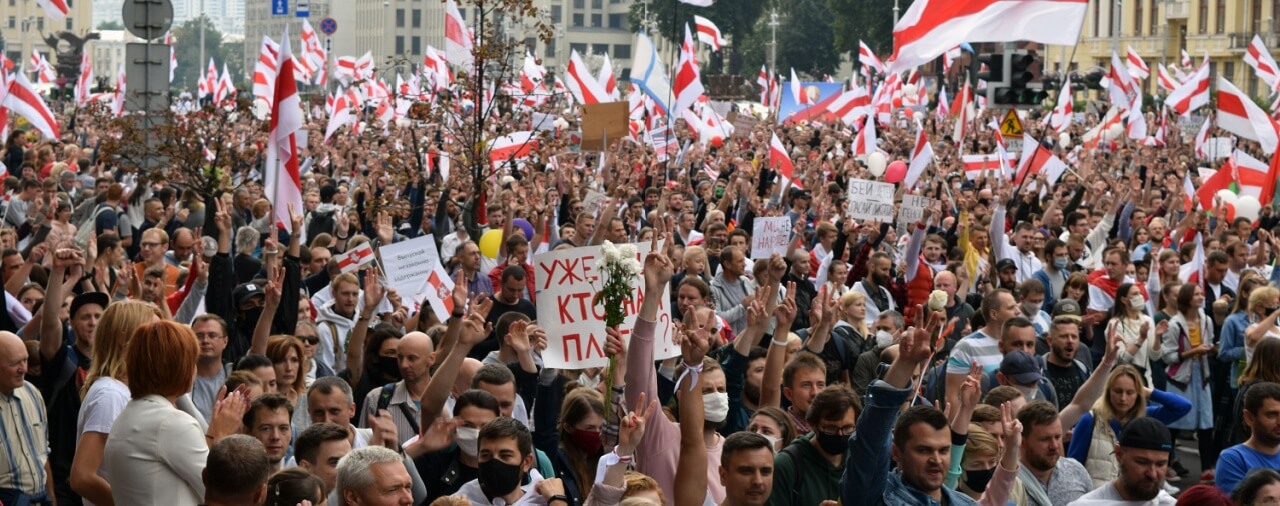
The 2020 Belarus protests, also known as the Anti-Lukashenko protests or the Slipper Revolution, were a series of mass demonstrations that erupted in Belarus following the disputed presidential election on August 9, 2020. These protests represented the largest and most sustained challenge to President Alexander Lukashenko’s rule since he came to power in 1994. Triggered by allegations of widespread electoral fraud, the movement drew hundreds of thousands of participants across the country, demanding democratic reforms, new elections, and an end to authoritarianism. While the protests were largely peaceful, they were met with severe repression, leading to thousands of arrests, reports of torture, and international condemnation. The events have had lasting impacts, shaping Belarus’s political landscape into 2025.
Background and Lead-Up to the Election
Belarus, a former Soviet republic, has been governed by Alexander Lukashenko since 1994 in a system often described as Europe’s last dictatorship. Lukashenko’s regime maintained control through state-controlled media, suppression of opposition, and economic ties with Russia. In the years leading up to 2020, public discontent grew due to economic stagnation, the government’s mishandling of the COVID-19 pandemic (Lukashenko downplayed the virus, suggesting remedies like vodka and saunas), and increasing authoritarian measures.
The 2020 presidential election was announced amid this unrest. Popular opposition candidates, including banker Viktor Babariko and blogger Sergei Tikhanovsky, were arrested before the vote on charges widely seen as politically motivated. This left Sviatlana Tsikhanouskaya, Tikhanovsky’s wife, as a prominent challenger. She campaigned alongside Maria Kolesnikova and Veronika Tsepkalo, forming a symbolic trio representing change. Pre-election polls suggested Lukashenko’s support was waning, but official results claimed he won with 80% of the vote, sparking immediate outrage.
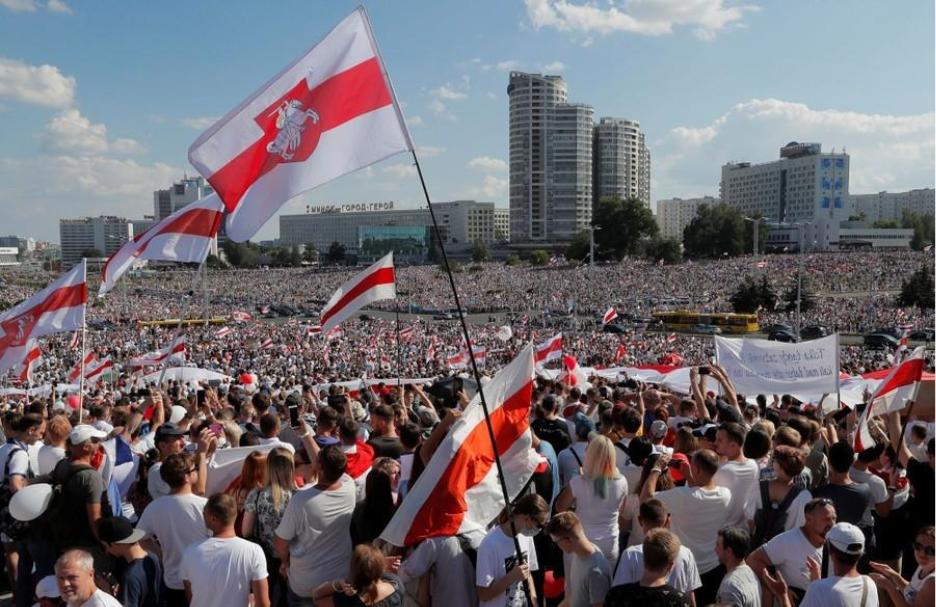
theatlantic.com
Photos: Anger and Protest Over a Presidential Election in Belarus
The Outbreak of Protests
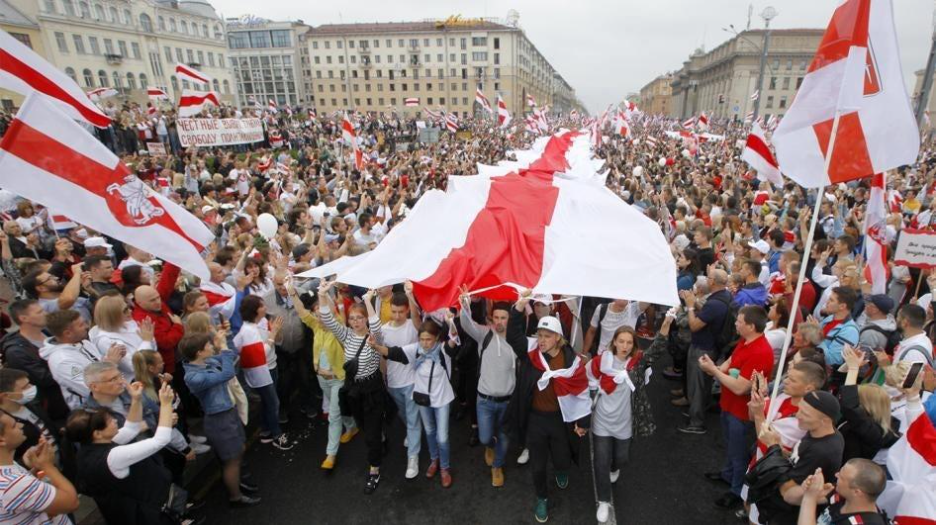
Protests began on election night, August 9, 2020, as exit polls and independent observers reported massive irregularities, including ballot stuffing and voter intimidation. In Minsk, the capital, and other cities like Brest and Grodno, demonstrators gathered peacefully, waving the white-red-white flag (a symbol of Belarusian independence banned by the regime) and chanting slogans like “Long live Belarus!” and “Go away!” directed at Lukashenko.
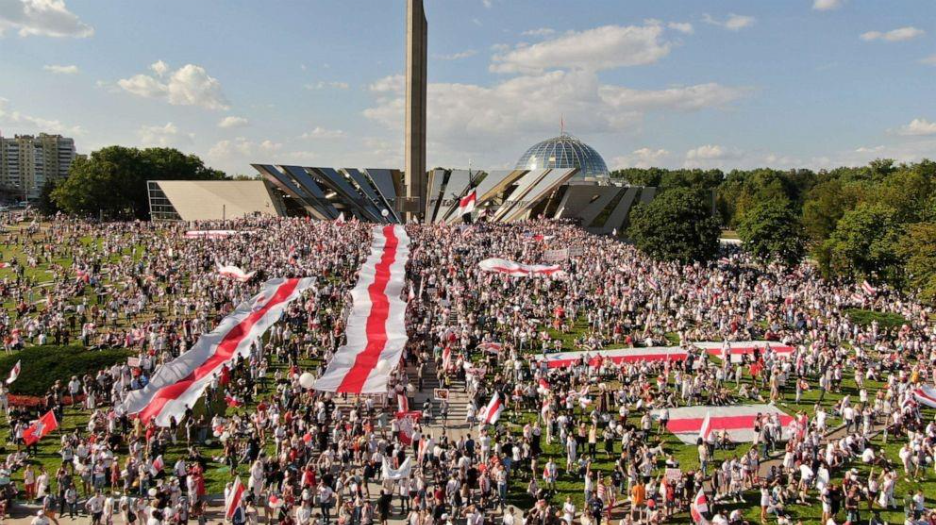
The movement quickly escalated. On August 16, an estimated 200,000-500,000 people marched in Minsk in what became known as the March for Freedom—one of the largest gatherings in Belarusian history. Protests spread to factories, where workers staged strikes, and involved diverse groups: students, women (who formed “women’s marches” in white clothing), IT professionals, and even some former regime insiders. Digital platforms played a crucial role; Telegram channels like NEXTA (run by exiled journalist Stepan Putilo) coordinated actions, shared evidence of fraud, and bypassed state media censorship. By late August, protests occurred weekly, with creative tactics like neighborhood gatherings and symbolic gestures (e.g., throwing slippers at cockroaches, alluding to Lukashenko’s nickname).
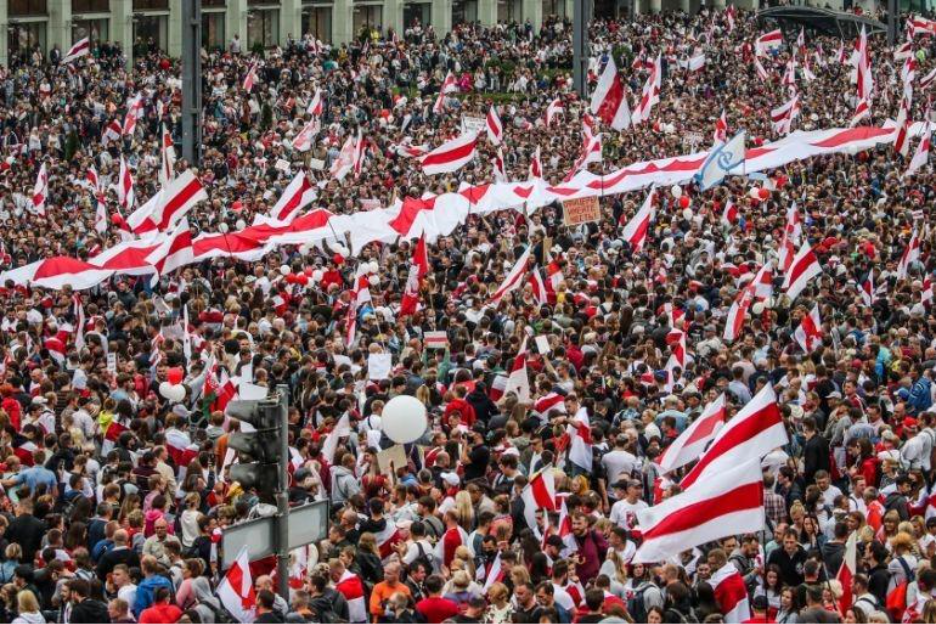
aljazeera.com
hrw.org
abcnews.go.com
Government Crackdown and Human Rights Violations
The regime’s response was swift and brutal. From August 9-12, security forces, including riot police (OMON) and internal troops, used excessive force to disperse crowds, deploying rubber bullets, stun grenades, tear gas, and water cannons. Nearly 7,000 people were detained in the first four days alone, many held in overcrowded cells under inhuman conditions. Reports documented widespread torture, including beatings, electric shocks, stress positions, and sexual violence; at least three protesters died from police actions during this period.
By mid-November 2020, over 25,000 detentions had occurred, with more than 1,000 in a single weekend. Politically motivated criminal cases targeted at least 121 opposition figures, journalists faced 336 detentions and 60 violent incidents, and internet shutdowns hindered communication. In one notorious incident, protester Raman Bandarenka was beaten to death by masked assailants linked to authorities. The crackdown continued into 2021, with opposition leaders like Maria Kolesnikova kidnapped and imprisoned after she tore up her passport to prevent deportation.
Key Opposition Figures
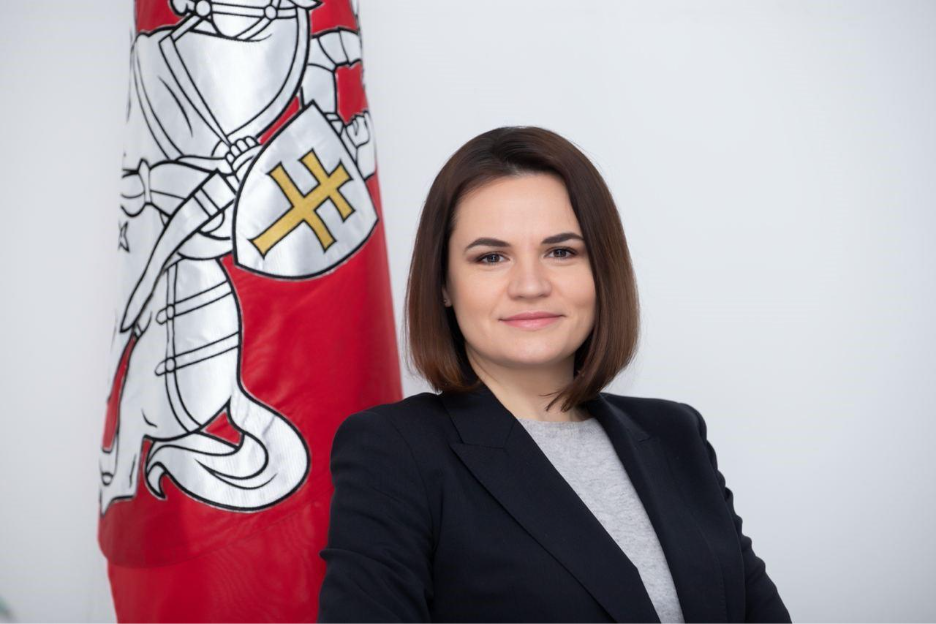
- Sviatlana Tsikhanouskaya: Emerged as the main opposition candidate after her husband’s arrest. Forced into exile in Lithuania shortly after the election, she has since led the democratic movement from abroad, meeting world leaders and advocating for sanctions.
miamioh.edu
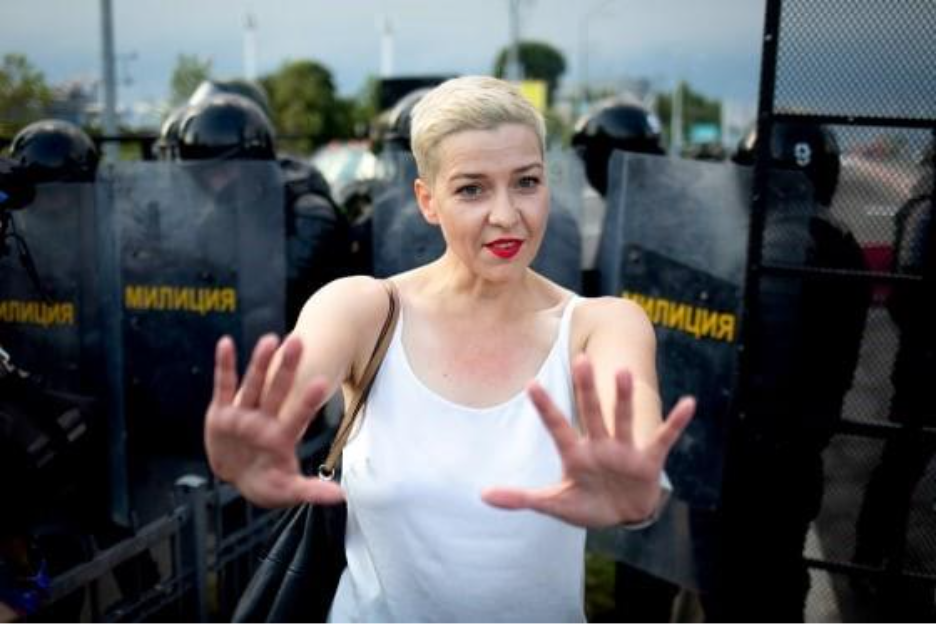
- Maria Kolesnikova: A musician and activist, she became a symbol of resistance by ripping her passport during an attempted expulsion. Sentenced to 11 years in prison in 2021, she was among those pardoned in 2025.
nbcnews.com
- Viktor Babariko: Former banker and presidential hopeful, arrested pre-election and sentenced to 14 years. Released in 2025 as part of a pardon deal.
- Ales Bialiatski: Nobel Peace Prize-winning human rights activist, imprisoned for his work documenting abuses; pardoned in 2025.
Other figures included Sergei Tikhanovsky (released in 2025) and Pavel Latushko, who formed exile groups.
International Reaction
The international community widely rejected the election results. The European Union, United States, and United Kingdom imposed sanctions on Belarusian officials for human rights abuses and electoral fraud. An OSCE report documented “staggering” violations and called for new elections. Russia, however, supported Lukashenko, providing economic aid and security assistance, which deepened Belarus’s dependence on Moscow. The protests also inspired solidarity actions worldwide, with Belarusian diasporas organizing rallies.
Aftermath and Legacy as of 2025
The protests waned by early 2021 due to repression, winter weather, and COVID-19, but the regime’s crackdown persisted. Over a dozen protesters have died since 2020, with systemic torture and forced disappearances reported. Hundreds of thousands fled the country, creating a brain drain, while opposition parties were outlawed.
In January 2025, Lukashenko “won” another term in elections criticized as undemocratic, with no mass protests but ongoing dissent labeled as “extremism.” As of 2025, at least 1,559 political prisoners remain, facing inhumane conditions. Recent developments include the pardon of 123 prisoners in late 2025, including key figures like Kolesnikova, Bialiatski, and Babariko, in exchange for partial U.S. sanctions relief—many were deported to Ukraine or Lithuania. Belarus’s alignment with Russia has intensified, especially amid the Ukraine conflict, further isolating it from the West.
The 2020 protests marked a turning point, fostering a sense of national identity and resistance, though Lukashenko’s grip remains firm. The movement’s legacy endures in exile-led efforts for democracy and ongoing international pressure.